

Can Diffusion Air Flotation be used in the papermaking industry wastewater treatment?
Hey there! I'm a supplier of Diffusion Air Flotation systems, and I've been getting a lot of questions lately about whether this technology can be used for treating wastewater in the papermaking industry. Well, let's dive right in and explore this topic.

First off, the papermaking industry generates a significant amount of wastewater. This wastewater contains various pollutants such as fibers, fillers, chemicals, and suspended solids. If not treated properly, it can have a huge impact on the environment, not to mention that it might violate environmental regulations.
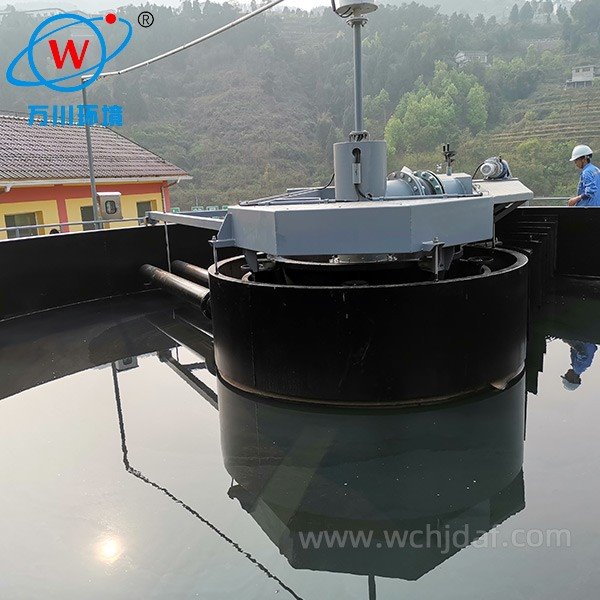
Diffusion Air Flotation is a process that involves introducing air into the wastewater. The air forms tiny bubbles that attach to the suspended solids in the water. These solids then float to the surface, where they can be easily removed. It's a pretty straightforward concept, but it's incredibly effective.
One of the big advantages of using Diffusion Air Flotation in papermaking wastewater treatment is its ability to remove a large amount of suspended solids. In the papermaking process, there are a lot of fibers and other solid particles that end up in the wastewater. Diffusion Air Flotation can quickly separate these solids from the water, which helps in reducing the overall pollution load.
Another benefit is that it's a relatively simple and cost - effective process. Compared to some other advanced wastewater treatment technologies, Diffusion Air Flotation doesn't require a lot of complex equipment or high - tech controls. This means lower capital costs and less maintenance.
Let's talk about how it actually works in a papermaking wastewater treatment plant. When the wastewater enters the flotation tank, the diffusion air system starts injecting air. The air bubbles are small and evenly distributed, which is crucial for efficient flotation. As the bubbles attach to the solids, they form a floating layer on the surface. This layer can be skimmed off, and the clarified water can be further treated or reused.
Now, I know you might be thinking, "Are there any limitations?" Well, like any technology, Diffusion Air Flotation has its drawbacks. For example, it might not be as effective in removing dissolved pollutants. Some chemicals and dissolved substances in the papermaking wastewater might not be affected by the flotation process. However, it can still be a great first step in the treatment process.
If you're in the papermaking industry and looking for a reliable wastewater treatment solution, you might want to consider Diffusion Air Flotation. And if you're interested in learning more about related air flotation technologies, check out these links:
High Efficiency Shallow Air Flotation
Air Flotation Equipment
Dissolved Air Flotation Equipment
These links will give you more in - depth information about different types of air flotation systems and how they can be used in various industries, including papermaking.
In conclusion, Diffusion Air Flotation can definitely be used in the papermaking industry wastewater treatment. It's a practical and efficient way to remove suspended solids and reduce the pollution load. If you're considering implementing this technology in your papermaking plant, I'd be more than happy to have a chat with you. We can discuss your specific needs and see how our Diffusion Air Flotation systems can fit into your wastewater treatment process.
If you're interested in learning more or want to start a procurement discussion, don't hesitate to reach out. We're here to help you find the best solution for your papermaking wastewater treatment needs.
References:
- Smith, J. (2018). Wastewater Treatment in the Papermaking Industry. Journal of Environmental Science and Technology.
- Brown, A. (2020). Air Flotation Technologies for Industrial Wastewater. Industrial Wastewater Management Magazine.


