

In the field of wastewater treatment, the removal of nitrogen is a crucial and challenging task. As a reputable supplier of air flotation equipment, we understand the significance of enhancing the nitrogen removal rate to meet strict environmental standards and ensure the efficient operation of wastewater treatment systems. In this blog, we will explore various strategies and considerations on how to improve the removal rate of nitrogen by air flotation equipment.
Understanding the Role of Air Flotation in Nitrogen Removal
Air flotation is a physical - chemical separation process that utilizes fine air bubbles to attach to suspended particles, oil droplets, or other contaminants in wastewater, causing them to float to the surface for removal. While air flotation is commonly associated with the removal of suspended solids and oils, it can also play a role in nitrogen removal. Nitrogen in wastewater exists in various forms, such as ammonia - nitrogen (NH₃ - N), nitrate - nitrogen (NO₃⁻ - N), and nitrite - nitrogen (NO₂⁻ - N). Some nitrogen - containing compounds may be associated with suspended solids or colloids in the wastewater. By removing these solids through air flotation, a certain amount of nitrogen can be indirectly removed.
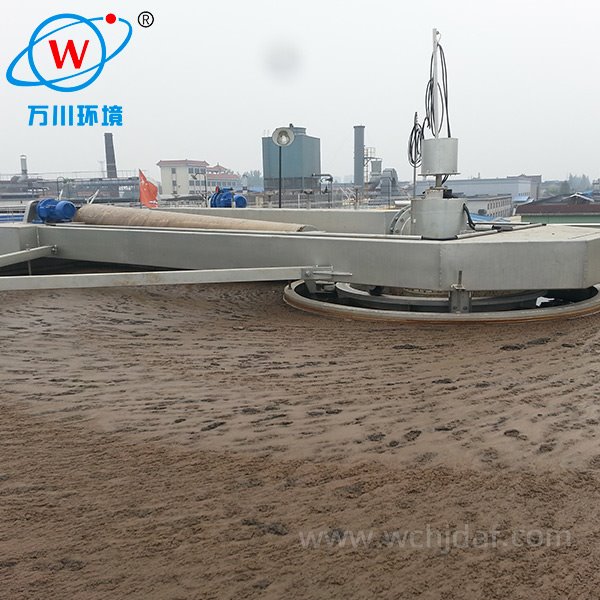

Optimization of Air Flotation Equipment Design
- Bubble Generation and Size
The size of air bubbles is a critical factor in air flotation efficiency. Smaller bubbles have a larger surface - area - to - volume ratio, which allows for better attachment to contaminants. Advanced bubble generation technologies, such as micro - bubble generators, can produce bubbles in the range of 20 - 100 micrometers. These micro - bubbles can effectively attach to nitrogen - associated particles and colloids, improving the flotation and removal efficiency. For example, our Air Flotation Systems are equipped with state - of - the - art bubble generation devices that ensure the production of uniform and fine bubbles. - Retention Time
Proper retention time in the air flotation tank is essential for the attachment of bubbles to contaminants and the subsequent flotation process. If the retention time is too short, the bubbles may not have enough time to attach to the nitrogen - containing particles, resulting in poor removal efficiency. On the other hand, an excessively long retention time may lead to increased energy consumption and a larger footprint of the equipment. Our engineers carefully design the air flotation tanks to optimize the retention time based on the characteristics of the wastewater, such as flow rate, nitrogen concentration, and particle size distribution. - Flotation Tank Geometry
The geometry of the flotation tank can also affect the nitrogen removal rate. A well - designed tank should promote uniform flow distribution and prevent short - circuiting. For instance, rectangular tanks with proper baffles can ensure that the wastewater flows evenly through the tank, allowing for better contact between the bubbles and the contaminants. Our Shallow Air Flotation Unit features a unique tank design that maximizes the flotation efficiency while minimizing the space requirements.
Integration with Other Treatment Processes
- Biological Treatment
Combining air flotation with biological treatment processes can significantly enhance nitrogen removal. Biological processes, such as nitrification and denitrification, can convert ammonia - nitrogen to nitrate - nitrogen and then to nitrogen gas. Air flotation can be used as a pre - treatment step to remove suspended solids and organic matter, which can improve the performance of the biological treatment. By reducing the load of suspended solids, the biological treatment system can operate more efficiently, leading to better nitrogen removal. For example, in a wastewater treatment plant, the air flotation unit can remove large particles and colloids before the wastewater enters the biological reactors, allowing the bacteria in the reactors to focus on nitrogen conversion. - Chemical Precipitation
Chemical precipitation can be used in conjunction with air flotation to remove nitrogen in the form of insoluble compounds. For example, adding chemicals such as magnesium and phosphate can form magnesium ammonium phosphate (MAP) precipitates, which can then be removed by air flotation. This combined approach can effectively reduce the ammonia - nitrogen concentration in the wastewater. Our technical team can provide customized solutions for integrating chemical precipitation and air flotation based on the specific characteristics of the wastewater.
Operational Parameters Optimization
- pH Control
The pH of the wastewater can have a significant impact on the nitrogen removal efficiency of air flotation. Different nitrogen - containing compounds have different solubility and reactivity at different pH values. For example, ammonia - nitrogen exists in the form of ammonia (NH₃) and ammonium ions (NH₄⁺) in water, and the ratio between them is determined by the pH. By adjusting the pH to an appropriate range, we can promote the formation of nitrogen - associated particles or colloids that are more easily removed by air flotation. Our air flotation systems are equipped with pH control devices to ensure optimal pH conditions during the treatment process. - Temperature Management
Temperature can also affect the performance of air flotation and nitrogen removal. Generally, higher temperatures can increase the reaction rate and the mobility of the contaminants, which may improve the flotation efficiency. However, extremely high temperatures may also cause the volatilization of some nitrogen - containing compounds. Therefore, it is necessary to maintain the temperature within an appropriate range. Our equipment is designed to operate stably under different temperature conditions, and we can provide guidance on temperature management based on the local climate and wastewater characteristics.
Monitoring and Feedback
Continuous monitoring of the nitrogen concentration in the influent and effluent of the air flotation system is essential for evaluating the treatment performance and making necessary adjustments. By installing online nitrogen sensors, we can obtain real - time data on the nitrogen removal rate. If the removal rate does not meet the requirements, we can adjust the operational parameters, such as bubble size, retention time, or chemical dosage, based on the feedback from the monitoring system. Our company provides comprehensive monitoring and control solutions to ensure the stable and efficient operation of the air flotation equipment.
Case Study: Gas Flotation of Petroleum Produced Water
In the Gas Flotation Of Petroleum Produced Water, nitrogen removal is also an important aspect. Petroleum produced water often contains high levels of nitrogen - containing compounds, which need to be removed before the water can be discharged or reused. Our air flotation equipment has been successfully applied in this field. By optimizing the design and operational parameters of the air flotation unit, we have achieved a significant improvement in the nitrogen removal rate. For example, in a petroleum production plant, our air flotation system was able to reduce the ammonia - nitrogen concentration in the produced water from several hundred milligrams per liter to less than 10 milligrams per liter, meeting the strict environmental standards.
Conclusion
Improving the removal rate of nitrogen by air flotation equipment requires a comprehensive approach that includes optimizing the equipment design, integrating with other treatment processes, adjusting operational parameters, and continuous monitoring. As a leading supplier of air flotation equipment, we are committed to providing high - quality products and customized solutions to meet the diverse needs of our customers. If you are interested in improving the nitrogen removal efficiency of your wastewater treatment system, please feel free to contact us for further discussion and procurement negotiation. We look forward to working with you to achieve better environmental protection and resource utilization.
References
- Metcalf & Eddy, Wastewater Engineering: Treatment and Resource Recovery, McGraw - Hill, 2014.
- Tchobanoglous, G., Burton, F. L., & Stensel, H. D., Wastewater Engineering: Treatment, Disposal, and Reuse, Pearson, 2003.
- Benefield, L. D., Judkins, J. F., & Weand, B. L., Process Chemistry for Water and Wastewater Treatment, Prentice Hall, 1982.


