

Experimental air flotation is a cutting-edge separation technology that has gained significant traction in various industries due to its numerous advantages over traditional separation methods. As a leading supplier of experimental air flotation systems, we have witnessed firsthand the transformative impact of this technology on industrial processes. In this blog post, we will explore the key advantages of experimental air flotation and why it is becoming the preferred choice for many businesses.

1. High Efficiency and Rapid Separation
One of the most significant advantages of experimental air flotation is its high efficiency in separating suspended solids, oils, and other contaminants from liquids. Unlike some traditional separation methods that rely on gravity settling, which can be time-consuming, air flotation uses microbubbles to attach to the particles and carry them to the surface of the liquid. This process significantly accelerates the separation process, allowing for a much faster and more efficient removal of contaminants.
For example, in wastewater treatment plants, traditional sedimentation tanks may take hours or even days to separate solids from water. In contrast, experimental air flotation systems can achieve the same level of separation in a matter of minutes. This rapid separation not only increases the throughput of the treatment process but also reduces the overall footprint of the treatment facility, as less space is required for settling tanks.
2. Excellent Separation Performance
Experimental air flotation can achieve a high degree of separation, even for fine particles and low-density materials that are difficult to separate using other methods. The microbubbles generated in the air flotation process have a large surface area and a high affinity for particles, allowing them to effectively capture and remove a wide range of contaminants.
In the oil and gas industry, for instance, air flotation is used to separate oil from produced water. The microbubbles attach to the oil droplets, causing them to rise to the surface and form a layer of oil that can be easily skimmed off. This process can achieve a high oil removal efficiency, reducing the oil content in the treated water to very low levels.

3. Versatility
Another advantage of experimental air flotation is its versatility. It can be used in a wide range of industries and applications, including wastewater treatment, food and beverage processing, pulp and paper manufacturing, and mining. The technology can be customized to meet the specific requirements of different applications, making it a flexible solution for various separation challenges.
In the food and beverage industry, air flotation is used to remove fats, oils, and solids from process water. In the pulp and paper industry, it is used to recover fibers and remove contaminants from white water. In the mining industry, air flotation is used to separate valuable minerals from gangue materials.
4. Low Energy Consumption
Compared to some other separation methods, experimental air flotation generally consumes less energy. The process primarily relies on the generation of microbubbles, which can be achieved using relatively low-power equipment. Additionally, the rapid separation process reduces the residence time of the liquid in the system, further reducing energy consumption.
For example, in a wastewater treatment plant, the energy required to operate an air flotation system is typically lower than that of a centrifugal separator or a vacuum filter. This lower energy consumption not only reduces operating costs but also makes the technology more environmentally friendly.
5. Easy Operation and Maintenance
Experimental air flotation systems are relatively easy to operate and maintain. The equipment is designed to be user-friendly, with simple controls and monitoring systems. The maintenance requirements are also minimal, as the system has fewer moving parts compared to some other separation technologies.
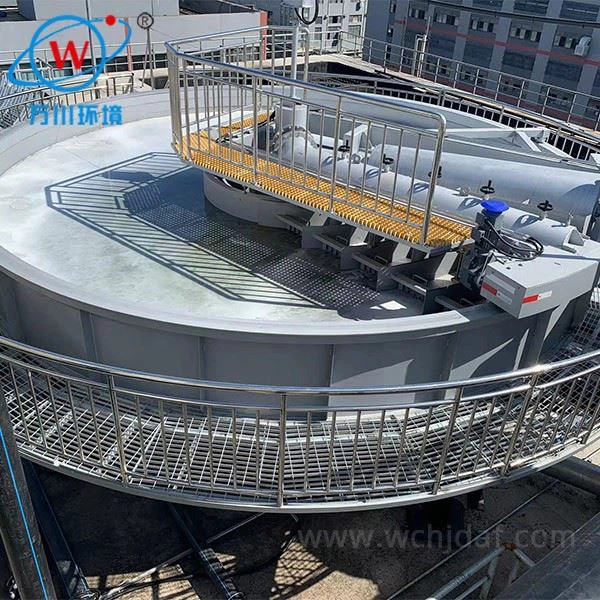
Regular maintenance typically involves checking the air compressor, the pump, and the bubble generator, as well as cleaning the flotation tank and the skimmer. With proper maintenance, an air flotation system can operate reliably for many years, providing consistent separation performance.
6. Cost-Effectiveness
When considering the overall cost of a separation process, experimental air flotation offers significant cost savings. The high efficiency and rapid separation reduce the need for large-scale equipment and infrastructure, which can result in lower capital costs. Additionally, the low energy consumption and minimal maintenance requirements lead to lower operating costs over the life of the system.
In addition, the high-quality separation achieved by air flotation can reduce the need for further treatment steps, such as filtration or chemical treatment, which can also save on costs. Overall, the cost-effectiveness of experimental air flotation makes it an attractive option for businesses looking to optimize their separation processes.
Comparison with Other Separation Methods
To further illustrate the advantages of experimental air flotation, let's compare it with some other common separation methods:
Sedimentation
Sedimentation is a traditional separation method that relies on gravity to separate solids from liquids. While it is a simple and inexpensive method, it has several limitations. Sedimentation is slow, especially for fine particles and low-density materials, and it requires large settling tanks. In contrast, experimental air flotation can achieve rapid separation and is more effective for separating fine particles.

Filtration
Filtration is another common separation method that uses a filter medium to remove solids from liquids. Filtration can be effective for removing large particles, but it can be clogged easily by fine particles and requires frequent filter replacement. Experimental air flotation, on the other hand, can handle a wide range of particle sizes and does not require filter media, reducing the maintenance requirements.
Centrifugation
Centrifugation uses centrifugal force to separate solids from liquids. It is a fast and efficient method, but it requires high-speed rotating equipment, which can be expensive to purchase and operate. Centrifugation also has limitations in separating low-density materials and fine particles. Experimental air flotation offers a more cost-effective and versatile solution for these types of separation challenges.
Our Experimental Air Flotation Solutions
As a supplier of experimental air flotation systems, we offer a range of high-quality products to meet the diverse needs of our customers. Our systems are designed with the latest technology and are built to provide reliable and efficient separation performance.
We offer DAF System Water Treatment, which is a popular type of air flotation system used in wastewater treatment. The DAF system uses dissolved air to generate microbubbles, which attach to the contaminants and carry them to the surface of the water. Our DAF systems are customizable and can be tailored to the specific requirements of different applications.
In addition, we also provide Dissolved Air Flotation System, which is a more advanced version of the DAF system. The dissolved air flotation system uses a pressurized air system to dissolve air in the water, which is then released as microbubbles when the pressure is reduced. This process results in a higher concentration of microbubbles and better separation performance.
Our High Speed Shallow Flotation system is another innovative solution that offers rapid separation and high throughput. The high-speed shallow flotation system uses a unique design that allows for a shorter residence time and a higher surface loading rate, making it ideal for applications where space is limited and high efficiency is required.
Conclusion
Experimental air flotation offers numerous advantages over other separation methods, including high efficiency, excellent separation performance, versatility, low energy consumption, easy operation and maintenance, and cost-effectiveness. As a leading supplier of experimental air flotation systems, we are committed to providing our customers with the best solutions for their separation needs.
If you are interested in learning more about our experimental air flotation systems or would like to discuss your specific separation requirements, please feel free to contact us. Our team of experts will be happy to assist you and provide you with a customized solution that meets your needs. Let's work together to optimize your separation processes and achieve your business goals.
References
- Smith, J. (2018). Air Flotation Technology: Principles and Applications. Elsevier.
- Johnson, R. (2019). Wastewater Treatment: Advanced Separation Methods. CRC Press.
- Brown, A. (2020). Industrial Separation Processes: Fundamentals and Applications. Wiley.


