

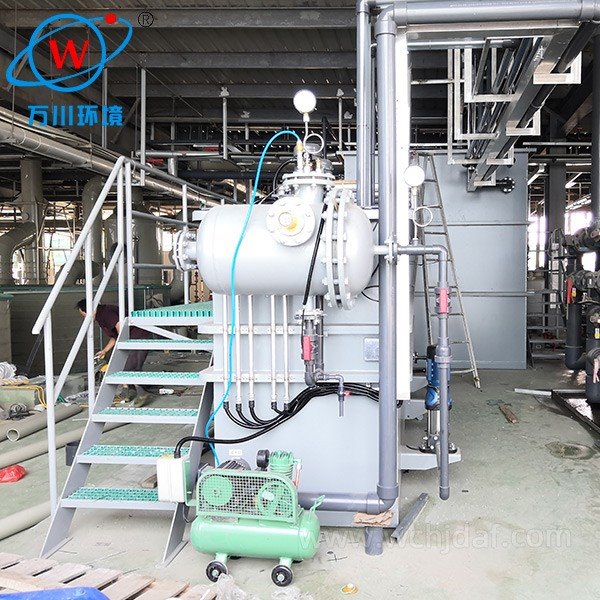
In the field of water treatment, Induced Air Flotation (IAF) stands out as a highly effective process for separating suspended solids, oils, and other contaminants from wastewater. As a leading supplier of Induced Air Flotation systems, I've witnessed firsthand the transformative impact of this technology on various industries. One crucial component that plays a significant role in the efficiency and performance of an Induced Air Flotation unit is the baffle. In this blog post, I'll delve into the role of the baffle in Induced Air Flotation, exploring its functions, benefits, and how it contributes to the overall success of the treatment process.
Understanding Induced Air Flotation
Before we dive into the role of the baffle, it's essential to have a basic understanding of how Induced Air Flotation works. Induced Air Flotation is a physical - chemical process that uses air bubbles to separate suspended solids and other contaminants from water. In an IAF system, air is introduced into the wastewater stream, creating tiny bubbles that attach to the suspended particles. These particle - bubble aggregates are less dense than water, causing them to rise to the surface of the flotation tank, where they can be skimmed off and removed.
The process begins with the addition of chemicals, such as coagulants and flocculants, to the wastewater. These chemicals help to destabilize the suspended particles and cause them to clump together, forming larger flocs. The air is then induced into the water through a variety of methods, such as mechanical agitation or the use of air diffusers. Once the air bubbles attach to the flocs, the resulting floating layer, known as the scum, is removed from the surface of the tank, leaving behind treated water.
The Role of the Baffle in Induced Air Flotation
1. Flow Distribution
One of the primary functions of the baffle in an Induced Air Flotation system is to distribute the flow of wastewater evenly across the flotation tank. Without proper flow distribution, the wastewater may flow unevenly through the tank, creating areas of high and low flow velocities. This can lead to inefficient separation of the suspended solids, as some areas of the tank may not receive enough air bubbles or may experience excessive turbulence.
The baffle is designed to slow down and redirect the flow of wastewater, ensuring that it spreads out evenly across the tank. This allows for a more uniform contact between the air bubbles and the suspended particles, increasing the chances of successful attachment and flotation. By promoting even flow distribution, the baffle helps to maximize the efficiency of the flotation process and improve the quality of the treated water.
2. Reducing Turbulence
Turbulence can have a negative impact on the performance of an Induced Air Flotation system. Excessive turbulence can cause the air bubbles to break up or detach from the suspended particles, reducing the effectiveness of the flotation process. The baffle helps to reduce turbulence by acting as a barrier that dissipates the energy of the flowing wastewater.
As the wastewater flows through the baffle, its velocity is reduced, and the flow pattern becomes more laminar. This laminar flow allows the air bubbles to remain attached to the suspended particles and rise to the surface more easily. By minimizing turbulence, the baffle helps to ensure that the flotation process operates smoothly and efficiently, resulting in better separation of the contaminants from the water.
3. Preventing Short - Circuiting
Short - circuiting occurs when a portion of the wastewater bypasses the main treatment area of the flotation tank and exits the system without being properly treated. This can happen if the flow of wastewater is not properly controlled or if there are gaps or openings in the tank that allow the water to flow directly through.
The baffle helps to prevent short - circuiting by creating a tortuous path for the wastewater to follow. As the water flows through the baffle, it is forced to change direction multiple times, ensuring that it comes into contact with the air bubbles and the suspended particles throughout the entire tank. This helps to ensure that all of the wastewater is treated effectively, improving the overall performance of the Induced Air Flotation system.
4. Enhancing Scum Collection
The baffle also plays a role in enhancing the collection of the scum layer that forms on the surface of the flotation tank. By directing the flow of wastewater and the floating scum towards the skimming mechanism, the baffle helps to ensure that the scum is efficiently removed from the tank.
The baffle can be designed to create a gentle slope or channel that guides the scum towards the skimmer, making it easier for the skimming device to collect and remove the floating material. This helps to prevent the scum from re - entering the treated water and ensures that the quality of the effluent is maintained.
Benefits of Using a Baffle in Induced Air Flotation
1. Improved Treatment Efficiency
As mentioned earlier, the baffle helps to improve the efficiency of the Induced Air Flotation process by promoting even flow distribution, reducing turbulence, preventing short - circuiting, and enhancing scum collection. By optimizing these aspects of the flotation process, the baffle allows for more effective separation of the suspended solids and other contaminants from the wastewater, resulting in higher - quality treated water.

2. Reduced Chemical Usage
When the flotation process is operating efficiently, less chemicals are required to achieve the desired level of treatment. The baffle helps to create an environment where the air bubbles and the suspended particles can interact more effectively, reducing the need for excessive amounts of coagulants and flocculants. This not only saves on chemical costs but also reduces the environmental impact of the treatment process.
3. Lower Maintenance Requirements
A well - designed baffle can help to reduce the wear and tear on the Induced Air Flotation system, leading to lower maintenance requirements. By reducing turbulence and preventing short - circuiting, the baffle helps to protect the internal components of the tank, such as the air diffusers and the skimming mechanism, from damage. This can extend the lifespan of the equipment and reduce the frequency of maintenance and repairs.
Comparison with Other Air Flotation Technologies
It's worth noting that Induced Air Flotation is just one of several air flotation technologies available in the market. Other common types of air flotation include Dissolved Gas Flotation, Shallow Air Flotation Equipment, and Dissolved Air Flotation.
While each of these technologies has its own advantages and disadvantages, Induced Air Flotation is often preferred for its simplicity, cost - effectiveness, and ability to handle a wide range of wastewater types. The baffle, as a key component of the Induced Air Flotation system, further enhances its performance and makes it a competitive option for many industries.
Conclusion
In conclusion, the baffle plays a crucial role in the operation of an Induced Air Flotation system. Its functions, including flow distribution, turbulence reduction, prevention of short - circuiting, and enhancement of scum collection, contribute to the overall efficiency and effectiveness of the flotation process. By using a well - designed baffle, wastewater treatment plants can achieve better treatment results, reduce chemical usage, and lower maintenance requirements.
As a supplier of Induced Air Flotation systems, we understand the importance of the baffle and other components in ensuring the optimal performance of our equipment. We offer a range of high - quality Induced Air Flotation units that are designed to meet the specific needs of our customers. If you're interested in learning more about our products or discussing your wastewater treatment requirements, we invite you to contact us for a detailed consultation. Our team of experts is ready to assist you in finding the best solution for your business.
References
- Cheremisinoff, P. N. (2002). Handbook of air pollution control technology. Butterworth - Heinemann.
- Metcalf & Eddy (2014). Wastewater engineering: treatment and reuse. McGraw - Hill Education.
- Tchobanoglous, G., Burton, F. L., & Stensel, H. D. (2003). Wastewater engineering: treatment, disposal, and reuse. Metcalf & Eddy.


